What training do you need to start a food business in the UK?
To start a food business in the UK, staff must receive food hygiene training appropriate to their role under the Food Safety Act 1990. Most businesses complete Level 2 Food Hygiene training for food handlers, while managers often take Level 3 training. Businesses must also implement a HACCP food safety system.
Starting a food business in the UK can be exciting, whether you’re opening a restaurant, launching a takeaway, running a catering company, or selling food from home. However, before serving customers, it’s essential to understand the legal training requirements for food businesses.
Many new business owners ask: What training do you legally need to start a food business in the UK?
In this guide, we’ll explain the required food safety training, recommended qualifications, and legal responsibilities so you can start your business with confidence.

Is Food Hygiene Training Legally Required in the UK
Under the Food Safety Act 1990 and the Food Safety and Hygiene (England) Regulations 2013, food businesses must ensure that staff who handle food are properly trained or supervised in food hygiene.
This means:
- Staff must understand safe food handling
- Employers must provide appropriate training
- Businesses must ensure that food safety knowledge is maintained
While the law does not specify a particular certificate, most businesses meet this requirement through recognised food hygiene training.
For a full explanation, see our guide:
➡ Which Food Hygiene Certificate Do I Need?
Essential Training for Starting a Food Business
1. Level 2 Food Hygiene Certificate
The Level 2 Food Hygiene Certificate is considered the minimum training for food handlers in most businesses.
It is suitable for:
- restaurant staff
- takeaway employees
- food trucks
- cafés
- catering staff
- home food businesses
The training covers:
- food contamination
- safe cooking temperatures
- cross contamination
- personal hygiene
- cleaning procedures
- food storage
If you’re unsure whether this certificate is required, read:
➡ What Is a Level 2 Food Hygiene Certificate and Who Needs It?
2. Level 3 Food Hygiene Certificate
If you own or manage a food business, Level 3 Food Hygiene training is strongly recommended.
This course covers:
- Food Safety Management
- Legal Responsibilities
- HACCP Systems
- Staff Supervision
- Hygiene Monitoring
Managers with Level 3 training can ensure the business maintains proper food safety standards.
You can also read:
➡ How Long Does a Level 3 Food Hygiene Certificate Last in the UK?
3. HACCP Training
Food businesses must implement HACCP, a system that identifies and manages food safety risks.
This system helps businesses control hazards such as:
- bacteria growth
- improper cooking temperatures
- contamination
- unsafe storage
Many small businesses use the Safer Food Better Business toolkit provided by the Food Standards Agency.
4. Allergen Awareness Training
Food businesses must also comply with allergen regulations under Natasha’s Law.
This law requires businesses to:
- Clearly label allergens in pre-packed food for direct sale
- Provide accurate allergen information
- Train staff to understand the 14 regulated allergens
Allergen awareness training helps businesses prevent cross-contamination and protect customers with allergies.
Other Legal Requirements When Starting a Food Business
Register Your Food Business
You must register your business with your local authority at least 28 days before opening.
Registration is free and allows your council to arrange food safety inspections.
Environmental Health Inspections
Your business will be inspected by an Environmental Health Officer (EHO).
They will assess:
- kitchen cleanliness
- food handling procedures
- food storage
- staff training
- food safety systems
Learn more here:
➡ What Does EHO Stand for in Food Hygiene?
Food Hygiene Ratings
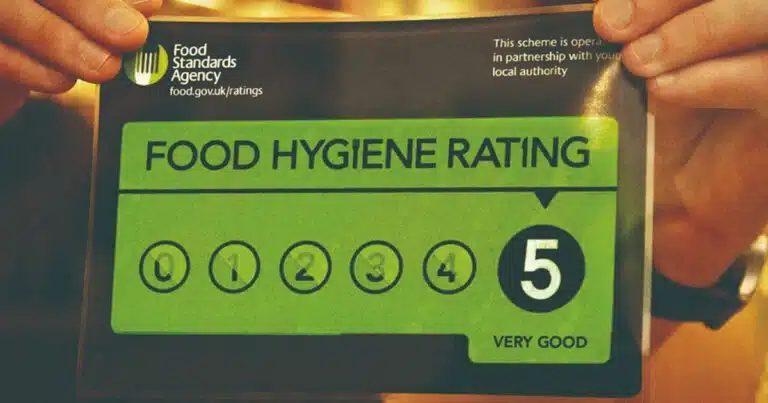
After inspection, your business will receive a Food Hygiene Rating from 0 to 5.
Higher ratings increase customer trust and can significantly impact sales.
Do Home Food Businesses Need Food Hygiene Training?
Yes. Home food businesses must follow the same food safety laws.
This includes:
- home bakeries
- cake makers
- food delivery businesses
- meal prep services
- online food sellers
Local councils commonly recommend Level 2 Food Hygiene training for home food businesses.
Checklist: Starting a Food Business in the UK
Before opening your food business, make sure you:
✅ Register your food business with your local council
✅ Complete Level 2 Food Hygiene training
✅ Ensure managers have Level 3 Food Hygiene training
✅ Implement a HACCP food safety system
✅ Understand allergen requirements under Natasha’s Law
✅ Prepare for inspections from the Food Standards Agency
What Happens If You Don’t Have Food Safety Training?
Businesses that fail to provide adequate training may face:
- poor hygiene ratings
- improvement notices
- fines
- legal action
- forced closure
Proper training helps protect customers and ensures legal compliance.
Quick Summary: Training Needed to Start a Food Business
Most UK food businesses should complete:
| Training | Who Needs It |
|---|---|
| Level 2 Food Hygiene | Food handlers |
| Level 3 Food Hygiene | Managers / owners |
| HACCP Training | Businesses managing food safety |
| Allergen Awareness | Staff serving food, managers/owners |
Although the law requires adequate training, these courses are widely recognised as the industry standard.
Frequently Asked Questions
Do I legally need a food hygiene certificate in the UK?
UK law requires food handlers to be trained in food hygiene appropriate to their role, but it does not mandate a specific certificate. Level 2 Food Hygiene is the most commonly accepted qualification.
Can I start a food business from home without training?
You can run a home food business, but you must register with your council and demonstrate adequate food safety knowledge.
How long does a food hygiene certificate last?
Food hygiene certificates do not legally expire, but refresher training is recommended every three years.
For more details, read:
➡ Do Food Hygiene Certificates Expire?
People Also Ask
Do I need a licence to sell food in the UK?
You usually do not need a specific licence to sell food in the UK, but you must register your food business with your local authority at least 28 days before trading and comply with food safety regulations.
Do takeaway staff need food hygiene training?
Yes. Anyone who handles or prepares food should have food hygiene training appropriate to their role. Most takeaway businesses require staff to complete Level 2 Food Hygiene training.
Do home bakers need a food hygiene certificate?
Home bakers must follow food safety laws and register their kitchen as a food business. Many councils recommend Level 2 Food Hygiene training to demonstrate adequate food safety knowledge.