Table of Contents
- Introduction
- Why Food Hygiene Matters for Small Businesses
- Understanding UK Food Hygiene Regulations
- Choosing the Right Food Hygiene Courses
- Allergen Management and Natasha’s Law
- HACCP Basics for Small Businesses
- Preparing for FSA Inspections
- How Skilltopia’s Courses Help
- Practical Tips for Small Business Hygiene
- Frequently Asked Questions
- Get Started with Skilltopia
Introduction
Running a small food business in the UK—whether a café, bakery, food truck, or home-based catering service—is both rewarding and challenging. One of the most critical aspects of success is maintaining high food hygiene standards to comply with the Food Safety Act 1990 and achieve top FSA hygiene ratings. For small businesses with limited budgets and staff, affordable and flexible training is essential. Skilltopia’s accredited online food hygiene courses provide a cost-effective solution to ensure compliance, protect customers, and boost your reputation. This ultimate guide covers everything small business owners need to know about food hygiene, from regulations to practical tips, and how Skilltopia can help you succeed.
Why Food Hygiene Matters for Small Businesses
Small food businesses, such as independent cafés or home-based bakeries, face unique pressures like tight budgets, small teams, and intense competition. Proper food hygiene is critical for:
- Legal compliance: UK law requires food handlers to have appropriate training to avoid fines or closures.
- Customer safety: Prevents foodborne illnesses, protecting your customers and business.
- Reputation: A 4–5 star FSA rating attracts customers in competitive areas like London, Manchester, or Bristol.
- Cost savings: Avoiding penalties (up to £5,000) and health incidents saves money long-term.
- Customer trust: Hygienic practices build loyalty, especially for small businesses relying on word-of-mouth.
Skilltopia’s affordable online courses (starting at £10) make it easy for small businesses to train staff and stay compliant without breaking the bank.
Understanding UK Food Hygiene Regulations
Small food businesses must comply with several key regulations:
- Food Safety Act 1990: Mandates safe food handling and appropriate staff training.
- Regulation (EC) No 852/2004: Requires a food safety management system, such as HACCP, tailored to your business.
- Natasha’s Law (2021): Mandates clear allergen labelling for pre-packed for direct sale (PPDS) foods, like sandwiches or cakes.
- FSA Hygiene Ratings: Inspections assess food handling, facility condition, and safety management, impacting your public rating.
You must register your business with your local council at least 28 days before trading, whether operating from a shop, home, or mobile unit. Contact your local environmental health team for specific requirements.
Choosing the Right Food Hygiene Courses
Training is a legal requirement and key to passing FSA inspections. Skilltopia offers three levels of accredited online courses tailored for small businesses:
| Course Level | Who It’s For | Key Topics | Duration | Cost |
|---|---|---|---|---|
| Level 1 | Support staff (e.g., servers, baristas) | Basic hygiene, contamination prevention | 2–4 hours | £12.50 |
| Level 2 | Food handlers (e.g., cooks, bakers) | Temperature control, cross-contamination, allergens | 6–8 hours | £15.00 |
| Level 3 | Owners, managers | HACCP, legal compliance, safety management | 18–24 hours | £45.00 |
Recommendation: Most small business staff handling food need Level 2. Owners or managers overseeing safety should take Level 3. Support staff with minimal food contact can take Level 1. Enrol at skilltopia.co.uk/buy-courses.
Allergen Management and Natasha’s Law
Small businesses, like bakeries or cafés, often prepare PPDS foods (e.g., pre-packed sandwiches, cakes), making compliance with Natasha’s Law essential. This law requires clear labelling of the 14 major allergens:
- Celery, cereals containing gluten, crustaceans, eggs, fish, lupin, milk, molluscs, mustard, nuts, peanuts, sesame seeds, soya, sulphur dioxide.
How to comply:
- Train staff to identify and label allergens (covered in Skilltopia’s Level 2 course).
- Use separate equipment to prevent cross-contamination.
- Provide allergen information verbally and on packaging.
- Maintain allergen logs for inspections.
Skilltopia’s Level 2 course ensures your team masters allergen management, protecting customers and avoiding penalties.
HACCP Basics for Small Businesses
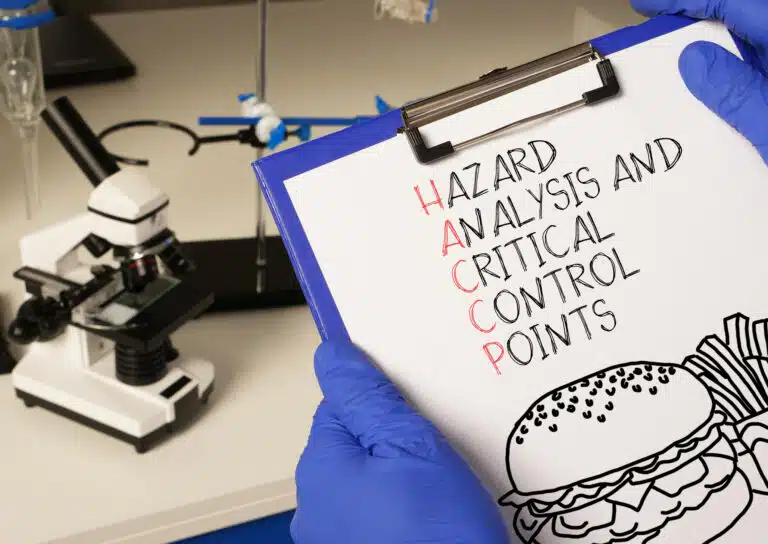
HACCP (Hazard Analysis and Critical Control Points) is a legal requirement for food safety management. Even small businesses need a simple HACCP plan. Key steps include:
- Identify hazards: Biological (e.g., bacteria), chemical (e.g., cleaning agents), or physical (e.g., hair).
- Determine critical control points (CCPs): Steps like cooking or chilling where risks can be controlled.
- Set critical limits: E.g., fridge at 0–5°C, cooking to 75°C.
- Monitor processes: Check temperatures and hygiene daily.
- Take corrective actions: E.g., discard unsafe food.
- Keep records: Log checks for inspectors.
- Review regularly: Update your plan annually.
Skilltopia’s Level 3 course teaches owners how to create a HACCP plan tailored for small businesses, ensuring compliance.
Preparing for FSA Inspections
FSA inspections assess three areas: food handling, facility condition, and safety management. To prepare:
- Train all staff: Use Skilltopia’s Level 1, 2, or 3 courses based on roles.
- Maintain facilities: Ensure clean kitchens, proper storage, and pest control.
- Document compliance: Keep training certificates, HACCP logs, and cleaning records.
- Conduct self-audits: Check against FSA criteria regularly.
- Schedule refreshers: Update training every 3 years.
Skilltopia’s instant certificates make it easy to prove compliance during unannounced inspections.
How Skilltopia’s Courses Help Small Businesses
Skilltopia’s accredited online courses are perfect for small businesses with limited time and budgets:
- Affordability: Level 1 (£12.50), Level 2 (£15), Level 3 (£45) with bulk discounts.
- Flexibility: Self-paced, online training fits busy schedules.
- Accreditation: Recognised by The CPD Accreditation Service, ensuring compliance.
- Comprehensive coverage: Covers allergens, HACCP, and inspection prep.
- Instant certification: Downloadable certificates for immediate use.
Contact hello@skilltopia.co.uk for team pricing or visit skilltopia.co.uk/buy-courses to enrol.
Practical Tips for Small Business Hygiene
Implement these strategies to maintain high hygiene standards:
- Create a hygiene checklist: Daily tasks for cleaning, temperature checks, and allergen labelling.
- Use affordable tools: Invest in thermometers and labelled containers for safe storage.
- Train new hires quickly: Skilltopia’s short courses certify staff in hours.
- Engage customers: Display your FSA rating to build trust.
- Monitor feedback: Address hygiene concerns promptly to maintain reputation.
Frequently Asked Questions
Is food hygiene training mandatory for small businesses?
Yes, UK law requires appropriate training for food handlers. Skilltopia’s courses meet this requirement.
How much does training cost for small businesses?
Skilltopia’s courses start at £12.50 (Level 1), with bulk discounts for teams.
Can online courses meet FSA standards?
Yes, Skilltopia’s accredited courses are recognised by UK authorities.
How often should I train my staff?
Initial training for new staff and refreshers every 3 years are recommended.
Get Started with Skilltopia
Food hygiene is the backbone of a successful small food business in the UK. Skilltopia’s affordable, accredited online courses ensure compliance, safety, and customer trust. Enrol at skilltopia.co.uk/buy-courses or email hello@skilltopia.co.uk for tailored solutions.
Skilltopia is your trusted provider of accredited online food hygiene training for UK small businesses. Stay compliant and thrive!